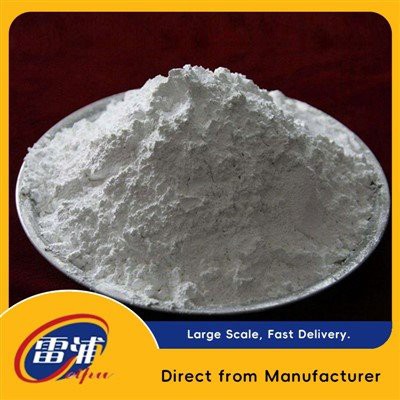
Calcined alumina, a remarkable material that has found its way into numerous industries, is renowned for its unique properties. As a supplier of calcined alumina, I’ve had the privilege of witnessing its diverse applications and understanding the significance of its hardness. In this blog, we’ll delve deep into what the hardness of calcined alumina truly means, how it’s measured, and why it matters in various industrial scenarios. Calcined Alumina
Understanding Calcined Alumina
Before we jump into the hardness aspect, let’s briefly understand what calcined alumina is. Calcined alumina is produced by heating aluminum hydroxide to a high temperature, typically above 1000°C. This process removes the chemically combined water and transforms the aluminum hydroxide into a crystalline form of alumina, known as alpha-alumina. The resulting material is highly pure, dense, and has excellent thermal and chemical stability.
The Concept of Hardness
Hardness is a fundamental property of materials that refers to their resistance to deformation, scratching, or abrasion. In the case of calcined alumina, its hardness is one of its most significant characteristics. There are several methods to measure hardness, but two of the most commonly used ones are the Mohs scale and the Vickers hardness test.
Mohs Scale
The Mohs scale is a qualitative scale that ranks minerals from 1 (softest) to 10 (hardest). Diamond, with a Mohs hardness of 10, is the hardest known natural material. Calcined alumina has a Mohs hardness of around 9, which means it is extremely hard and can scratch most other materials. This high hardness makes it suitable for applications where abrasion resistance is crucial, such as in the manufacturing of grinding wheels, sandpaper, and cutting tools.
Vickers Hardness Test
The Vickers hardness test is a more precise method of measuring hardness. It involves applying a known load to a material using a diamond indenter and measuring the size of the indentation left on the surface. The Vickers hardness number (HV) is calculated based on the load and the size of the indentation. Calcined alumina typically has a Vickers hardness of around 2000 HV, which is significantly higher than many other common materials.
Factors Affecting the Hardness of Calcined Alumina
The hardness of calcined alumina can be influenced by several factors, including:
Purity
The purity of calcined alumina plays a crucial role in determining its hardness. Higher purity alumina generally has a higher hardness because impurities can act as weak points in the crystal structure, making it more susceptible to deformation. As a supplier, we ensure that our calcined alumina products have a high purity level to provide the best possible hardness and performance.
Crystal Structure
The crystal structure of calcined alumina also affects its hardness. Alpha-alumina, the most common form of calcined alumina, has a hexagonal crystal structure that is highly ordered and dense. This structure contributes to its high hardness and excellent mechanical properties. Other forms of alumina, such as gamma-alumina, have a different crystal structure and lower hardness.
Particle Size
The particle size of calcined alumina can also impact its hardness. Smaller particles generally result in a harder material because they can pack more closely together, forming a denser structure. However, extremely small particles may also lead to increased surface area and reactivity, which can affect the overall performance of the material.
Applications of Calcined Alumina Based on Its Hardness
The high hardness of calcined alumina makes it suitable for a wide range of applications in various industries. Some of the key applications include:
Abrasive Industry
Calcined alumina is widely used in the abrasive industry due to its excellent hardness and abrasion resistance. It is used in the manufacturing of grinding wheels, sandpaper, and other abrasive products. The high hardness of calcined alumina allows it to effectively remove material from the surface of workpieces, making it ideal for applications such as metalworking, woodworking, and stone polishing.
Refractory Industry
In the refractory industry, calcined alumina is used to produce high-temperature-resistant materials. Its high hardness and thermal stability make it suitable for lining furnaces, kilns, and other high-temperature equipment. Calcined alumina can withstand extreme temperatures without deforming or melting, ensuring the long-term performance of the refractory materials.
Ceramics Industry
Calcined alumina is a key raw material in the ceramics industry. It is used to produce various ceramic products, such as tiles, sanitaryware, and electronic components. The high hardness of calcined alumina gives the ceramic products excellent wear resistance and mechanical strength. It also improves the density and porosity of the ceramics, resulting in better overall performance.
Catalyst Support
Calcined alumina is used as a catalyst support in the chemical industry. Its high surface area and hardness make it an ideal material for supporting catalysts. The catalyst can be deposited on the surface of the calcined alumina, providing a large active area for chemical reactions. The hardness of the calcined alumina ensures that the catalyst support remains stable and does not break down during the reaction process.
Importance of Hardness in Calcined Alumina for Our Customers
As a supplier of calcined alumina, we understand the importance of hardness for our customers. The high hardness of our calcined alumina products ensures that they can meet the demanding requirements of various industries. Whether it’s for abrasive applications, refractory use, or ceramic production, our customers rely on the hardness of our products to achieve the best results.
For example, in the abrasive industry, our customers need calcined alumina with high hardness to ensure efficient material removal and long tool life. In the refractory industry, the high hardness of our products helps to withstand the extreme temperatures and mechanical stresses in furnaces and kilns. In the ceramics industry, the hardness of our calcined alumina contributes to the durability and performance of the ceramic products.
Conclusion
In conclusion, the hardness of calcined alumina is a crucial property that makes it a valuable material in various industries. Its high hardness, as measured by the Mohs scale and Vickers hardness test, is due to its high purity, crystal structure, and particle size. The hardness of calcined alumina allows it to be used in a wide range of applications, including abrasives, refractories, ceramics, and catalyst support.
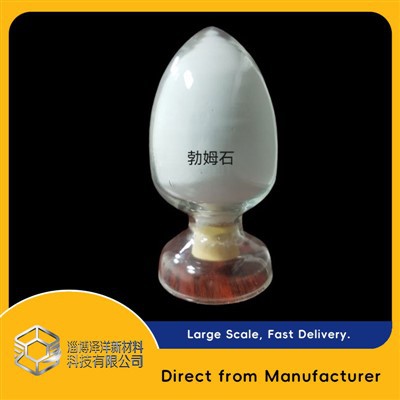
As a supplier of calcined alumina, we are committed to providing our customers with high-quality products that meet their specific requirements. Our calcined alumina products offer excellent hardness and performance, ensuring that our customers can achieve the best results in their applications.
Aluminum Hydroxide If you are interested in learning more about our calcined alumina products or have any questions about their hardness and applications, please feel free to contact us for a procurement discussion. We look forward to working with you and helping you find the right calcined alumina solution for your needs.
References
- "Introduction to Ceramics" by W. D. Kingery, H. K. Bowen, and D. R. Uhlmann
- "Materials Science and Engineering: An Introduction" by William D. Callister, Jr.
- "Handbook of Refractory Materials" by R. E. Loehman and R. L. Coble
Shandong Leipu New Material Technology Co., Ltd.
With abundant experience, we are one of the most professional calcined alumina manufacturers and suppliers in China. Please feel free to buy high quality calcined alumina for sale here and get quotation from our factory. For price consultation, contact us.
Address: Advanced Ceramic Industry Innovation Park, No. 125, Liuquan Road, High-tech Zone, Zibo City, Shandong Province
E-mail: 2330389088@qq.com
WebSite: https://www.sdleipu.com/
