Selecting the right grit for a stone abrasive brush is a crucial decision that can significantly impact the quality and efficiency of your stone – working projects. As a supplier of stone abrasive brushes, I’ve witnessed firsthand how the appropriate grit selection can make or break a job. In this blog, I’ll share my insights on how to choose the right grit for your specific needs. Stone Abrasive Brush
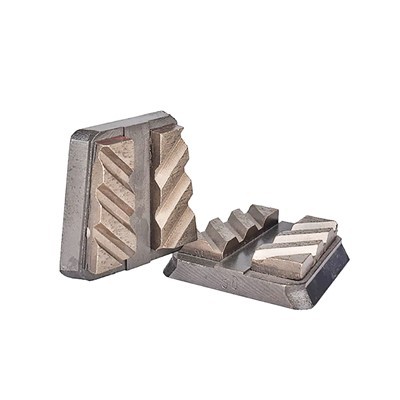
Understanding Grit in Stone Abrasive Brushes
Grit refers to the size of the abrasive particles on the brush. A lower grit number indicates larger abrasive particles, while a higher grit number means smaller particles. The grit of a stone abrasive brush determines its cutting ability, finish quality, and the type of stone it is most suitable for.
- Coarse Grits (24 – 60): Brushes with coarse grits are ideal for heavy – duty tasks such as removing large amounts of material, leveling uneven surfaces, or rough shaping of stones. These brushes are commonly used in the initial stages of stone processing. For example, when preparing a rough block of granite for further refinement, a 36 – grit stone abrasive brush can quickly remove excess material and create a more workable surface.
- Medium Grits (80 – 120): Medium – grit brushes strike a balance between material removal and surface finish. They are used for intermediate steps in stone processing, such as smoothing out the surface after coarse grinding and preparing it for finer finishing. If you’re working on a marble countertop that has been roughly shaped, an 80 – grit brush can help to remove minor scratches and create a more even surface.
- Fine Grits (150 – 320): Fine – grit brushes are designed for achieving a smooth and polished finish on stone surfaces. They are used in the final stages of stone processing to remove fine scratches and create a high – gloss appearance. For instance, when finishing a limestone floor, a 220 – grit brush can be used to give the surface a smooth and shiny finish.
- Ultra – Fine Grits (400+): These brushes are used for the most delicate and precise finishing work. They can produce an almost mirror – like finish on stone surfaces. They are often used in high – end applications such as sculpture finishing or in areas where a perfect finish is required.
Factors to Consider When Selecting Grit
Type of Stone
Different types of stones have different hardness and porosity levels, which influence the choice of grit.
- Hard Stones (e.g., Granite, Quartzite): Hard stones require coarser grits for initial material removal. Since they are more resistant to abrasion, a 24 – 60 grit brush can effectively cut through the stone without excessive wear on the brush. For subsequent finishing, medium and fine grits can be used to achieve the desired smoothness and shine.
- Soft Stones (e.g., Marble, Limestone): Soft stones are more prone to scratching and damage. Coarse grits should be used with caution as they can cause deep scratches. Medium – grit brushes are often a good starting point for shaping and smoothing, followed by fine and ultra – fine grits for the final finish.
Project Requirements
The nature of the project also plays a significant role in grit selection.
- Material Removal: If your project involves removing a large amount of material, such as reshaping a stone monument or leveling a rough floor, a coarse – grit brush is the obvious choice. It will allow you to work quickly and efficiently.
- Surface Finish: For projects where a smooth and polished finish is required, such as a decorative stone piece or a high – end countertop, you’ll need to start with a medium – grit brush and gradually move to finer grits to achieve the desired level of smoothness and shine.
- Edge and Detail Work: When working on edges and intricate details, finer grits are generally preferred. They provide more control and can create a clean and precise finish without causing damage to the surrounding areas.
Equipment Compatibility
The type of equipment you are using with the stone abrasive brush can also affect grit selection.
- Handheld Tools: Handheld tools offer more control but may have limited power. For handheld applications, medium – to – fine grit brushes are often more suitable as they require less force to operate.
- Power Tools: Power tools, such as angle grinders or stone polishers, can handle coarser grits more effectively. They provide the necessary power to drive the abrasive particles into the stone and remove material quickly.
Testing and Experimentation
In many cases, the best way to determine the right grit for a stone abrasive brush is through testing and experimentation. Before starting a large – scale project, it’s a good idea to test different grits on a small, inconspicuous area of the stone. This will allow you to see how each grit performs and how it affects the surface finish.
- Visual Inspection: After testing, visually inspect the surface to assess the level of material removal, the smoothness of the finish, and the presence of any scratches or marks.
- Tactile Evaluation: Run your hand over the surface to feel the texture. A smooth and even surface indicates that the grit is appropriate for the task.
Matching Grit to Stone Abrasive Brush Types
Different types of stone abrasive brushes are designed for specific applications, and the grit selection should be matched accordingly.
- Cup Brushes: Cup brushes are commonly used for large – area surface grinding and leveling. Coarse – to – medium grits are typically used with cup brushes for initial material removal, while finer grits can be used for finishing.
- Wheel Brushes: Wheel brushes are ideal for edge work and detail grinding. Medium – to – fine grits are often used with wheel brushes to ensure a precise and clean finish.
- End Brushes: End brushes are used for small – area grinding and finishing, such as in corners and tight spaces. Fine and ultra – fine grits are commonly used with end brushes to achieve a smooth and polished finish.
Conclusion
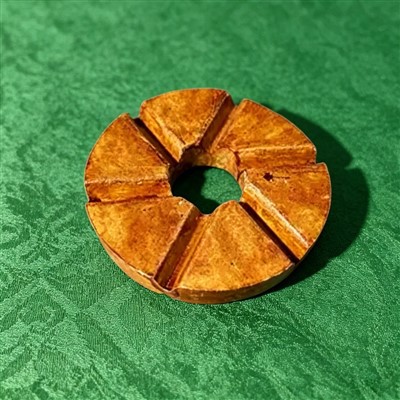
Selecting the right grit for a stone abrasive brush is a complex but essential process. By considering factors such as the type of stone, project requirements, equipment compatibility, and conducting proper testing, you can ensure that you choose the most appropriate grit for your stone – working needs. As a stone abrasive brush supplier, I’m here to assist you in making the right choice. Whether you’re a professional stoneworker or a DIY enthusiast, having the right tools and the knowledge to use them effectively is key to achieving excellent results.
Metal Fickert Abrasive If you’re interested in purchasing high – quality stone abrasive brushes or need further advice on grit selection, I encourage you to get in touch. Our team of experts is ready to help you find the perfect solution for your projects.
References
- "Stone Processing Handbook" by Stone Industry Press
- "Abrasive Technology and Applications" by John Smith
Quanzhou Cheefung New Materials Co., Ltd.
As one of the most experienced stone abrasive brush enterprises in China, we are able to meet the needs of the majority of our customers. Please feel free to wholesale advanced stone abrasive brush made in China here from our factory. For price consultation, contact us.
Address: Jinshan Community, Licheng District, Quanzhou City, Fujian, China
E-mail: info@prostonetools.com
WebSite: https://www.prostonetools.com/
