Servo hydraulic cylinders are critical components in various industrial applications, offering precise control and high force output. However, like any mechanical device, they can encounter issues that prevent them from working properly. As a supplier of servo hydraulic cylinders, I’ve encountered a wide range of problems and have developed effective troubleshooting strategies. In this blog, I’ll share my insights on how to troubleshoot a servo hydraulic cylinder that is not working as expected. Servo Hydraulic Cylinder
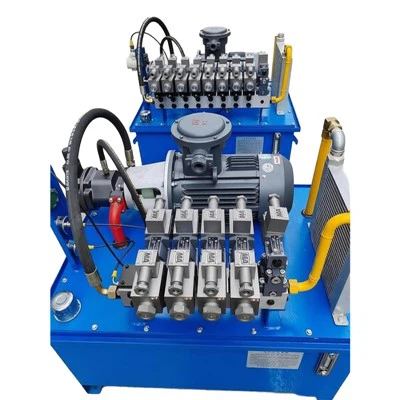
Understanding the Basics of Servo Hydraulic Cylinders
Before diving into troubleshooting, it’s essential to have a basic understanding of how servo hydraulic cylinders work. A servo hydraulic cylinder consists of a piston, a cylinder barrel, a rod, and a servo valve. The servo valve controls the flow of hydraulic fluid into and out of the cylinder, which in turn moves the piston and the rod. The position and movement of the rod are precisely controlled by the servo system, allowing for accurate and repeatable motion.
Common Symptoms of a Malfunctioning Servo Hydraulic Cylinder
Identifying the symptoms of a malfunctioning servo hydraulic cylinder is the first step in troubleshooting. Here are some common symptoms to look out for:
- Erratic Movement: The cylinder may move in an unpredictable or jerky manner, which could indicate a problem with the servo valve, the hydraulic fluid, or the mechanical components.
- Slow or No Movement: If the cylinder is not moving at all or is moving very slowly, it could be due to a blockage in the hydraulic lines, a malfunctioning servo valve, or a problem with the hydraulic pump.
- Leaking Fluid: A leaking cylinder is a clear sign of a problem. It could be due to a damaged seal, a cracked cylinder barrel, or a loose connection.
- Excessive Noise: Unusual noises, such as banging or rattling, could indicate a problem with the mechanical components, such as the piston or the rod.
- Overheating: If the cylinder is overheating, it could be due to a problem with the hydraulic fluid, such as low fluid level or high viscosity, or a malfunctioning servo valve.
Troubleshooting Steps
Once you’ve identified the symptoms, you can start troubleshooting the servo hydraulic cylinder. Here are the steps you can follow:
Step 1: Check the Hydraulic Fluid
The hydraulic fluid is the lifeblood of the servo hydraulic system. It provides the power to move the piston and the rod, and it also lubricates the components. Here’s what you need to check:
- Fluid Level: Make sure the hydraulic fluid level is within the recommended range. If the fluid level is low, it could be due to a leak in the system.
- Fluid Quality: Check the quality of the hydraulic fluid. If the fluid is dirty or contaminated, it could cause problems with the servo valve and other components. You may need to replace the fluid if it is not in good condition.
- Fluid Viscosity: The viscosity of the hydraulic fluid is important for proper operation of the servo hydraulic system. If the fluid is too thick or too thin, it could affect the performance of the cylinder. Make sure the fluid viscosity is within the recommended range.
Step 2: Inspect the Servo Valve
The servo valve is a critical component of the servo hydraulic system. It controls the flow of hydraulic fluid into and out of the cylinder, which in turn controls the movement of the piston and the rod. Here’s what you need to check:
- Valve Function: Check the function of the servo valve. Make sure it is opening and closing properly and that it is responding to the control signals. You can use a valve tester to check the valve’s performance.
- Valve Alignment: Make sure the servo valve is properly aligned with the cylinder. If the valve is misaligned, it could cause problems with the flow of hydraulic fluid and the movement of the piston.
- Valve Seal: Check the seals on the servo valve. If the seals are damaged or worn, they could cause leaks and affect the performance of the valve.
Step 3: Examine the Mechanical Components
The mechanical components of the servo hydraulic cylinder, such as the piston, the rod, and the cylinder barrel, can also cause problems. Here’s what you need to check:
- Piston and Rod: Check the piston and the rod for damage or wear. If the piston or the rod is damaged, it could cause problems with the movement of the cylinder. You may need to replace the piston or the rod if they are not in good condition.
- Cylinder Barrel: Check the cylinder barrel for damage or wear. If the cylinder barrel is damaged, it could cause leaks and affect the performance of the cylinder. You may need to replace the cylinder barrel if it is not in good condition.
- Seals: Check the seals on the piston, the rod, and the cylinder barrel. If the seals are damaged or worn, they could cause leaks and affect the performance of the cylinder. You may need to replace the seals if they are not in good condition.
Step 4: Check the Electrical System
The electrical system of the servo hydraulic cylinder is responsible for controlling the servo valve and other components. Here’s what you need to check:
- Power Supply: Make sure the power supply to the servo hydraulic system is stable and within the recommended range. If the power supply is unstable or out of range, it could cause problems with the servo valve and other components.
- Control Signals: Check the control signals to the servo valve. Make sure the signals are correct and that they are being sent to the valve properly. You can use a signal tester to check the signals.
- Wiring and Connections: Check the wiring and connections in the electrical system. Make sure the wiring is not damaged or loose and that the connections are secure.
Step 5: Perform a Test Run

Once you’ve completed the above steps, you can perform a test run of the servo hydraulic cylinder. Here’s what you need to do:
- Start the System: Start the servo hydraulic system and let it run for a few minutes. Observe the movement of the cylinder and listen for any unusual noises.
- Check the Performance: Check the performance of the cylinder. Make sure it is moving smoothly and that it is responding to the control signals. If the cylinder is not performing as expected, you may need to repeat the troubleshooting steps.
- Record the Results: Record the results of the test run. This will help you track the performance of the cylinder over time and identify any potential problems.
Conclusion
Hydraulic System Troubleshooting a servo hydraulic cylinder that is not working properly can be a challenging task, but with the right knowledge and tools, it can be done. By following the steps outlined in this blog, you can identify and resolve the most common problems with servo hydraulic cylinders. If you need further assistance or have any questions, please don’t hesitate to contact us. We’re here to help you get the most out of your servo hydraulic cylinders.
References
- "Hydraulic Systems and Components" by John F. Caruthers
- "Servo Hydraulic Systems: Design and Applications" by William C. H. Pan
- "Troubleshooting Hydraulic Systems" by Robert L. Sheaf
Wuhu Zhongye Fluid Equipment Co., Ltd.
We are one of the most experienced servo hydraulic cylinder manufacturers and suppliers in China, specialized in providing high quality customized products. Please feel free to wholesale bulk durable servo hydraulic cylinder in stock here from our factory. Contact us for quotation.
Address: No. 2, Hexing Road, Sanshan District, Wuhu City, Anhui Province
E-mail: zhongyehydro20@163.com
WebSite: https://www.zhongyehydro.com/
