Hey there! I’m in the urology device supply business, and I’ve seen my fair share of compatibility issues between urology devices and other medical equipment. So, I thought I’d share some insights on this topic. Urology Device
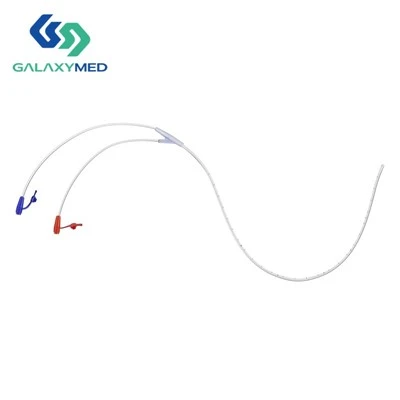
Let’s start by getting a bit of background. In a modern medical setting, there’s a whole bunch of different equipment working together. You’ve got everything from imaging machines like CT scanners and ultrasounds to patient monitoring systems and surgical tools. Urology devices, which include things like cystoscopes, ureteral stents, and urodynamic testing equipment, need to play nice with all these other gadgets.
One of the major compatibility issues I’ve come across is electrical compatibility. Many medical devices run on electricity, and they need to be electrically compatible to avoid any malfunctions or safety hazards. For example, if a urology device is trying to connect to a monitoring system, the electrical signals they send and receive have to be in sync. If the voltage, current, or signal frequency is off, it can lead to inaccurate readings or even damage to the devices. One time, we had a customer who was trying to integrate a new urodynamic testing device with their existing patient monitoring setup. Turns out, the power requirements of the new device were slightly different from what the monitoring system could provide. This led to intermittent glitches in the data collection, and it took us a while to figure out what was going on.
Another big issue is software compatibility. These days, most medical devices come with some sort of software to control their functions and manage the data they collect. Urology devices are no exception. When you want to connect two devices, their software needs to be able to communicate effectively. There are different standards and protocols for device communication, like DICOM (Digital Imaging and Communications in Medicine) for imaging devices. If a urology imaging device doesn’t support the same DICOM version as the hospital’s picture archiving and communication system (PACS), it can’t transfer images properly. I remember a case where a hospital purchased a new high – resolution cystoscope, but couldn’t get the images to show up correctly on their PACS because of a software compatibility problem. It was a real headache for everyone involved.
Physical compatibility is also a key factor. Urology devices often need to be connected to other equipment physically, either through cables, connectors, or adapters. If the connectors on a urology device don’t match the ports on another device, it’s a no – go. For instance, a new ureteroscope might have a different type of video output connector than the existing video display unit in the operating room. This means that the hospital either has to buy an adapter or a new display unit, which can be costly.
Data format compatibility can cause problems too. Different medical devices generate data in different formats. Urology devices might collect data on urine flow, pressure, or imaging results, and this data needs to be integrated with the patient’s electronic health record (EHR) system. If the data format of the urology device is not compatible with the EHR system, it can be difficult to store, analyze, and share the information. This can lead to inefficiencies in patient care and decision – making.
Now, let’s talk about how these compatibility issues can impact the healthcare industry. First of all, they can cause delays in patient care. If a urology device can’t be integrated with other equipment in a timely manner, doctors might not be able to get the information they need quickly to make a diagnosis or plan a treatment. This can be especially critical in emergency situations.
Secondly, compatibility issues can increase costs. Hospitals and clinics have to spend money on fixing the compatibility problems, whether it’s buying new adapters, upgrading software, or even purchasing new equipment. And let’s not forget about the cost of the time spent by the medical staff and IT professionals trying to resolve these issues.
So, what can we do about it? As a urology device supplier, I take compatibility very seriously. We work closely with other medical equipment manufacturers during the development process. We test our devices with a wide range of other equipment to make sure they are compatible. We also provide detailed technical specifications and support to our customers to help them with the integration process.
We’re also big on following industry standards. By adhering to standards like DICOM and HL7 (Health Level Seven), we can ensure that our devices can communicate effectively with other equipment in the healthcare ecosystem.
If you’re in the market for urology devices and you’re worried about compatibility issues, don’t worry. We’ve got your back. Our team of experts can work with you to understand your existing medical equipment setup and recommend the best urology devices that will work seamlessly with your system.

Whether you’re a small clinic or a large hospital, having compatible urology devices is crucial for providing high – quality patient care. So, if you’re interested in learning more about our urology devices and how they can be integrated with your existing equipment, I encourage you to reach out to us for a purchase discussion. We’re happy to answer any questions you have and show you how our products can fit into your medical practice.
Urology Device References
- Standards organizations: DICOM, HL7 official documents
- Professional medical device industry publications
- Interviews with medical device engineers and healthcare professionals
Galaxymed Technology Co., Ltd.
As one of the most professional urology device suppliers in China, we’re featured by good quality products and in-time service. Please rest assured to buy hospital grade urology device made in China here and get quotation from our factory. Also, small qty acceptable.
Address: 88 Dongchang Road, Suzhou Industrial Park, Suzhou City, Jiangsu Province, China
E-mail: Sales@galaxymed.com.cn
WebSite: https://www.galaxy-medic.com/
