Hey there, SPC Wall Panel
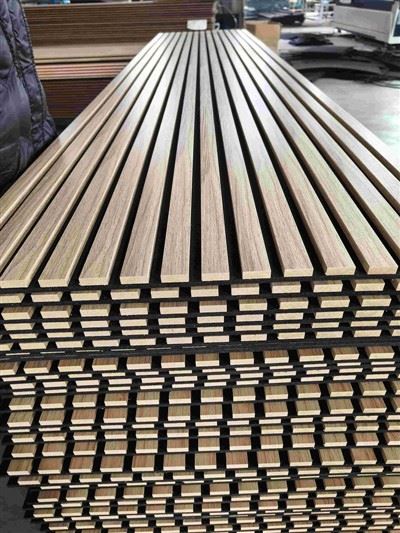
If you’ve been browsing around for durable, low-maintenance wall coverings, chances are you’ve stumbled on SPC wall panels. As someone who’s spent the last eight years supplying these panels to contractors, renovators, and homeowners across the Midwest, one question comes up more often than any other: “Can I install SPC wall panels on wooden walls?”
I get why this one sticks. Wooden walls have a timeless, warm appeal—maybe they’re the original planks in a 100-year-old cottage, or you stripped away old drywall during a remodel to expose solid stud framing. But wood also moves, right? It swells with humidity, shrinks in dry weather, and can develop tiny gaps or warps over time. SPC (which stands for stone-plastic composite) is known for being rigid, water-resistant, and easy to clean, but you don’t want to pair it with a surface that could throw off your install or ruin the panels down the line. Let’s break this down like I would with a customer in my warehouse, no fancy jargon, just real talk from someone who’s seen good installs go right and bad ones go wrong.
First, the short answer: Yes, you can install SPC wall panels on wooden walls—but it’s not a “one-size-fits-all” job. The success of the project hinges entirely on the condition of the wooden surface under your feet (or walls, in this case). I’ve seen people nail SPC directly over warped pine planks and end up with gaps between panels a month later, and I’ve helped a homeowner install SPC over smooth, level oak planks that look like they came from a custom mill. The difference? Prep work. That’s the non-negotiable part most first-time DIYers miss.
Let’s start with what “wooden walls” actually means here. When people say that, they’re usually referring to one of two scenarios: solid wood planks that make up the interior wall surface (common in older homes, cabins, or rustic builds) or the wooden stud framing that forms the skeleton of any wall (under drywall, plaster, or old paneling). If you’re dealing with stud framing, you can actually install SPC panels directly to the studs, but if you’re dealing with existing solid wood wall planks, that’s a different ballgame. I’ll walk through both because I’ve supported customers with every type of wooden wall setup.
First, let’s talk about why SPC and wood can work together in the first place. SPC panels are made with a core of natural limestone powder and polyvinyl chloride (PVC), pressed into a rigid, dense board. Unlike laminate or vinyl plank flooring that’s flexible, SPC wall panels don’t bend or flex much—they lock into place with a tongue-and-groove system that’s designed to sit flat. That rigidity is great for covering walls, but it also means your base surface can’t have too much give. Wood’s movement is the main culprit here. When humidity spikes (think a bathroom after a hot shower, or a basement in the middle of a wet summer), wood absorbs moisture and expands. When it dries out in winter, it shrinks. If you install rigid SPC panels directly over moving wood, you’re asking for trouble: small warps in the wood will create pressure points under the SPC, which can cause the panel edges to lift, or the tongue-and-groove joints to gap. Over time, that can even lead to cracks in the SPC’s surface, especially in areas with big temperature swings.
So what kind of wooden walls work best for SPC installs? Let’s get specific. If your wooden wall is solid wood planks that are:
- Smooth and level: No uneven spots, warps, or dips that are more than 1/8 of an inch over a 4-foot span.
- Dry: A moisture content test is non-negotiable here. Wood should be between 6% and 12% moisture when you install SPC. I always tell customers to pick up a $15 moisture meter at a home improvement store—stick it into the wood in a few spots, including near floors and windows, and if it’s above 12%, let it acclimate to your space for 2 to 4 weeks. For bathrooms or basements, that acclimation period is even longer, because those areas have higher humidity year-round.
- Free of loose debris: No peeling paint, flaking stain, or splinters that could get trapped under the SPC.
I’ll be honest—most existing solid wood walls I see don’t hit that mark. The warps, dips, and old finish wear make direct install tricky. That’s where the second scenario comes in: wooden stud framing, which is the skeleton of the wall. If you’re remodeling and have removed old drywall or paneling, you have exposed wooden studs. Installing SPC directly to studs is actually one of the most common installs I support, and it’s straightforward. You just need to attach a moisture barrier (we sell a lightweight, tear-resistant poly barrier at our warehouse that’s perfect for this) over the studs first, then use galvanized nails or adhesive clips to mount the SPC panels to the studs. This creates a small air gap between the panels and the wood, which lets moisture escape—no more pressure points from wood movement. It’s also a great option for adding insulation in older homes, since the gap between the SPC and studs can hold small amounts of insulation for extra warmth.
Now, what if you have a wooden wall that’s not solid planks or exposed studs? Maybe you have old wood paneling, like the fake wood veneer that was popular in the 1970s, or plaster walls that have wooden lath underneath. Can you install SPC over that? It depends. If the wood lath is smooth, level, and free of loose plaster, you can install a layer of 1/4-inch cement backer board over the lath first, then the SPC. The cement backer board creates a flat, stable surface that eliminates any small unevenness in the lath, and it adds extra water resistance—perfect for kitchens or bathrooms. If you have fake wood veneer paneling, you’ll need to sand it lightly first to rough up the surface (so the adhesive for the SPC sticks), then clean it thoroughly to remove all dust and grease. Skip this step and the SPC panels will start to sag within a few months.
I get it—prep work feels like a hassle, especially if you’re excited to get your new wall up. But over the last eight years in this business, I can’t tell you how many customers have skipped the prep and come back six months later asking to fix warped panels. One recent example: a guy from Chicago put SPC directly over his 1920s solid oak walls in his dining room. He sanded the old finish but didn’t check the moisture content, and after a humid July, the oak walls swelled so much that some of the SPC panels popped off. When he brought the old panels back to our warehouse, I showed him the tiny gaps in the SPC edges—proof of pressure from moving wood. We walked through how to remove the old adhesive, check the moisture levels, add a thin layer of plywood as a stable base, and re-install the panels correctly. Now his dining room looks better than ever, and he sends me photos of it at least once a month.
Another common question: Do I need any special tools to install SPC over wooden walls? For DIYers, the good news is that SPC panels are designed to be user-friendly. Unlike tile, which requires mortar and a lot of heavy lifting, SPC panels lock together like puzzle pieces with a simple tapping block and rubber mallet. You’ll need a circular saw or miter saw to cut the panels to size, a moisture meter, adhesive or clips to mount them, and a level to make sure everything is straight. If you’re working with studs, we also recommend a stud finder to mark where you’ll attach the clips—no need to guess where the wood is behind the wall.
Wait, what about specific rooms? I get a lot of requests for bathroom SPC installs over wooden walls. Is that a good idea? Absolutely—if you do it right. Bathrooms have high humidity, so wood movement is a bigger concern here. If you’re installing SPC in a bathroom over existing wooden walls, my go-to recommendation is to add a moisture barrier and a layer of cement backer board first. This creates a complete barrier against water, so even if you have a small leak from a pipe or a shower, it won’t get to the wooden studs or planks. I also recommend using the clip-on mounting method instead of adhesive for bathrooms, because clips let you adjust the panels slightly if the wood moves a little, which prevents gaps.
What about spaces that get really cold, like cabins or lake homes in the North? Wood shrinks a lot in dry winter months, so that’s another thing to plan for. If you’re installing SPC in a space with big seasonal temperature changes, make sure to leave a 1/8-inch gap between the SPC panels and the ceiling or floor. That small gap gives the panels room to expand in humid summer months, so they don’t bow or lift at the edges. I always include a gap gauge tool with SPC orders for these exact situations—small, easy to use, and it saves you from fixing a mess later.
Let’s talk about what you should never do. Never install SPC directly over wet wood. Never skip the moisture test, even if your wood looks dry. Never install SPC over wood that has active mold or mildew—you’ll need to treat the wood and let it dry completely first, because mold can grow under the SPC and cause health issues down the line. And if your wooden walls have more than 1/8 inch of unevenness over a 4-foot span, don’t just try to “work around it” with SPC. Add a layer of plywood or cement backer board to level it out—it’s worth the extra step to avoid having to replace panels a year later.
As a supplier, I also test every batch of SPC panels before they leave our warehouse, and I include an install guide tailored specifically for wooden wall installs. We’ve worked with so many contractors and DIYers that we know exactly which methods work, and which ones don’t. One thing I always emphasize is that SPC is versatile, but it’s only as good as the surface it’s attached to. A stable, level, dry wooden wall will look amazing with SPC, and will last for decades—same as it would with any other wall covering. A wooden wall that’s not prepped correctly? You’re setting yourself up for extra work and cost down the line.
If you’re still unsure whether your wooden walls are ready for SPC, don’t guess. Reach out to our team—we can walk you through how to test your wood’s moisture, evaluate the surface, and give you personalized tips for your space. Whether you’re a DIYer taking on a bedroom remodel or a contractor working on a multi-unit project, we have the SPC panels you need, plus all the tools and advice to get the job done right. We’re here to help, no pushy sales, just honest info from people who’ve been in this industry for years.

Ready to talk through your project and get the right SPC panels for your wooden walls? Connect with our team today to discuss your needs, ask questions, and get a quote that works for you.
PVC Wall Panel References:
- National Wood Flooring Association. (2022). Wood Moisture Content Guidelines for Interior Applications. NWFA.
- Tile Council of North America. (2021). Installation Guidelines for Wall Coverings Over Wood Substrates. TCNA.
- SPC Industry Association. (2023). Best Practices for Installing Stone-Plastic Composite Wall Panels. SPCIA.
Shandong Fanjie International Trade Co., Ltd.
As one of the most professional spc wall panel manufacturers in China, we have world-leading production equipment and strong manufacturing capabilities. Please feel free to buy bulk high quality spc wall panel from our factory. We also accept customized orders.
Address: L4-015 Cross border E-commerce Entrepreneurship Park, Lanshan District, Linyi City, Shandong Province
E-mail: info@lsdec.com
WebSite: https://www.fanzeradecor.com/
