What’s up folks, let’s cut to the chase—if you’ve ever got a stockpile of eucalyptus branches or small trunks and stared at your wood chipper thinking, “Can this thing even handle eucalyptus without breaking?” you’re not alone. I’m [your brand’s first name], been selling and fixing wood chippers for small farms, tree services, and firewood ops for over 10 years now, and I get asked this question at least twice a week. Today, I’m breaking down exactly how, why, and when a wood chipper works for eucalyptus—no stuffy engineering jargon, just real stuff I’ve seen on job sites. Wood Chippers
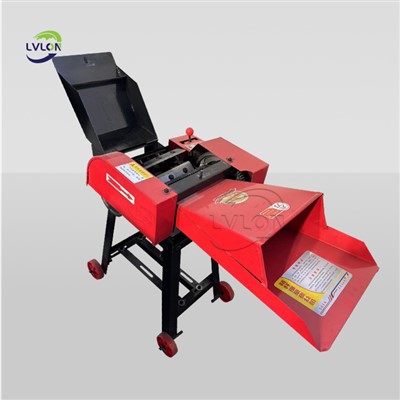
First off, let’s talk eucalyptus itself ‘cause it’s a weird one. It’s super dense, right? Like, some varieties (looking at you, blue gum) are way denser than oak or pine. But wait, it’s also got a weird fibrous quality—its bark and wood don’t split cleanly like other hardwoods, they tend to stretch or tangle instead. That’s the main thing people run into when they try to chip eucalyptus in a generic chipper: the fibers wrap around the blades or the feed mechanism instead of getting chopped up. Not all eucalyptus is the same, though—smaller branches (under 4 inches thick) way different than logs over a foot. I’ve seen a guy try to run a 18-inch eucalyptus log through a cheap garden chipper he bought at a big box store, and he spent 2 hours unwrapping fibers off the flywheel instead of getting any work done. Total waste of a Saturday, trust me.
Now, what kind of wood chipper actually works for this? This is where I earn my keep, ‘cause a lot of suppliers push the “one chipper does everything” line, but that’s garbage. If you’re just chipping thin, small eucalyptus branches (like for mulch around your yard), a decent electric or gas-powered garden chipper might work—for a little while. But here’s the catch: electric chippers usually have 3 to 5 horsepower, which is fine for soft stuff like pine, but eucalyptus’ density will bog that motor down fast. It’ll either stall out, or if you force it, you’ll bend the blades. I’ve heard of people burning out their electric chippers on eucalyptus, and that’s not cheap to fix.
If you’re doing this for work—like a tree service clearing eucalyptus groves, or a farm chipping it for animal bedding, or making mulch to sell—you need a gas-powered chipper with at least 15 horsepower, minimum. Wait, no, actually 18 is better. And not just any gas chipper—you need one with a hydraulic feed. What’s that? It’s the thing that pulls the branches into the blades instead of you shoving them by hand. Because when eucalyptus fibers tangle, you don’t want to be stuck reaching in to push it, that’s a safety nightmare. I sold a 18HP hydraulic chipper last month to a tree guy in Florida, and he texted me a week later saying it was the first time he didn’t leave a job with a backache or a broken blade from eucalyptus. He was stoked.
Another big thing: the blade setup. A lot of cheap chippers have single-sided blades that are great for soft woods, but eucalyptus needs two-sided (reversible) blades, or even better, combination blades that mix cutting and shearing motion. Shearing is when two edges meet and slice, instead of hitting and crushing—crushing makes those fibers stretch, slicing cuts them clean. I once had a customer bring in a chipper he bought from a discount brand, and his blades were all bent from eucalyptus. Swapped him to a set of combination blades, and he hasn’t had a blade issue in 2 years. It’s not the chipper, it’s the blades.
Wait, let’s talk about what happens if you do it wrong. I’ve seen two common mistakes. First: not prepping the material. If you’re running a 6-inch eucalyptus branch through a chipper that’s only rated for 4 inches, you’re gonna get jams. Cut your eucalyptus into pieces that are 2 inches smaller than your chipper’s max feed size, and remove any extra thick branches or knots first. Knots are worse than the rest of the wood, ‘cause they’re harder and have even more tangled fibers. Second: forcing the feed. A lot of people see a slow feed and start shoving the branch in with a pole, but that’s how you break a blade. If it’s not pulling in on its own, it’s too big—pull it back, trim it smaller, try again. I tell every customer, “The chipper doesn’t care how fast you work—if it jams, you’re going slower, not faster.”
Now, some people swear you shouldn’t chip eucalyptus at all, that it’s bad for your chipper. Here’s the truth: eucalyptus is harder on blades than pine, yes, but modern chippers (especially the ones we sell) are built to handle it if you use them right. It’s not about avoiding it—it’s about matching the machine to the job. If you’re chipping small, low-volume eucalyptus for your own yard, go with a 10HP gas chipper with a hydraulic feed. If you’re doing 10 tons a week of eucalyptus for commercial mulch, get a 25HP diesel chipper with a heavy-duty flywheel. The flywheel weight matters too—heavier flywheel has more momentum to cut through dense wood, so eucalyptus won’t stall it out as much.
I also get asked about the chips themselves—are eucalyptus chips any good? Yeah, they are. A lot of people think eucalyptus is too oily or too hard, but if you chip it right, the chips make great mulch for gardens (the oil repels some pests), great animal bedding (it’s absorbent), and even biomass fuel. We sell a lot of eucalyptus chips to local power plants ‘cause they burn hot. The only thing? Don’t use fresh eucalyptus chips as firewood—they spark more and burn faster than hardwoods, but for mulch or bedding? Perfect.
Let me share a quick story ‘cause it’s more real than any brochure. Last year, a guy from a vineyard in Southern California hit me up—he had a bunch of old eucalyptus trees he was taking down, and he’d been renting a chipper from a big equipment place, but every time he chipped eucalyptus, it would jam 10 times an hour, take him all day to do a 2-hour job. He bought a 22HP hydraulic chipper from us, and he texted me 3 days later saying he finished the whole job in 4 hours, no jams, just a few blade checks. He said it paid for itself in that one job. That’s the stuff I love—seeing a machine do what it’s supposed to do, no headache.
Now, what should you do if you’re on the fence? Let’s wrap this up. First, don’t waste your money on a cheap garden chipper for eucalyptus. It’ll break, it’ll jam, you’ll be frustrated. Second, figure out your volume: are you doing 5 branches a month, or 5 tons a week? That determines what size chipper you need. Third, make sure your blades are set up right—combination or reversible, not the flimsy single ones. And fourth, prepping the material isn’t optional—trim to size, pull out knots, don’t force the feed.
If you’ve got eucalyptus to chip and you don’t want to deal with jams or broken blades, we’ve got chippers that are built for this exact job. We’ve sold hundreds of them to tree services, farms, and vineyards all over the country, and they all say the same thing: it’s night and day from the generic chippers they used before. Don’t guess on what works—hit us up to chat through your needs, tell us how much eucalyptus you’ve got, how big the branches are, what you’re using the chips for, and we’ll point you to the right machine. No pushy sales stuff, just what’ll actually work for you.
Don’t let eucalyptus sit around rotting—chip it and turn it into something useful. Your chipper doesn’t have to fear eucalyptus, it just has to be the right one for the job.
Food Grinder References:
- Forest Products Laboratory, U.S. Department of Agriculture. (2021). Wood Density and Mechanical Properties of Commercial Hardwoods. USDA Forest Service.
- Tree Care Industry Association. (2022). Chipping Best Practices for Dense and Fibrous Tree Species. TCIA Technical Report No. 22-04.
- MachineryLink Solutions. (2023). Chipper Specifications for Heavy-Duty Hardwood and Exotic Wood Processing. Equipment Journal.
- University of California Agriculture and Natural Resources. (2020). Eucalyptus Utilization for Mulch and Biomass in California. ANR Publication 8569.
Henan Lvlon Industrial Co., Ltd.
We’re well-known as one of the leading wood chipper suppliers in China, featured by quality products and good price. Please rest assured to buy high-grade wood chipper for sale here from our factory. Welcome to view our website for more information.
Address: Unit 5, 5th Floor, Building 11, No. 18 Dongfeng Road, Jinshui District, Zhengzhou City, Henan Province.
E-mail: lvlonxu@gmail.com
WebSite: https://www.lvlonmachinery.com/
