If you’ve ever worked with metal fabrication, construction, or pipeline installation, you know how critical a pipe bending machine is to getting precise, consistent results. But buying a high-quality machine isn’t the end of the job—what keeps that equipment running smoothly, avoiding costly downtime, and extending its lifespan is the after-sales service that comes with it. As a pipe bending machine supplier with over a decade in the industry, I’ve seen firsthand how neglected after-sales support can turn a great piece of machinery into a money drain for a business. Today, I want to break down exactly what the after-sales service of a pipe bending machine entails, why it matters, and how it differs from generic equipment support. Pipe Bending Machine

First, let’s start with the basics: pipe bending machines aren’t one-size-fits-all. There are manual, hydraulic, electric, and CNC models, each designed for specific pipe materials (steel, copper, aluminum, PVC) and bending requirements. That means their after-sales service can’t be a generic “we fix what breaks” approach. For us, after-sales support starts before the machine even leaves our warehouse. It’s pre-delivery preparation that ensures our clients have the right setup and knowledge to use their equipment effectively from day one. That includes detailed on-site or remote installation assistance—because a machine installed incorrectly won’t just bend bad pipes; it can develop internal stress that leads to premature part failure. We also walk our teams through custom training, too, not just basic operation. For CNC models, that means teaching them how to adjust tooling, calibrate bending angles, and troubleshoot minor errors without waiting for a technician. For smaller fabricators who might only use a manual machine a few times a week, we teach them routine maintenance checks that catch small issues before they become big problems.
Once the machine is up and running, core after-sales support shifts to reactive and proactive maintenance. Reactive support is what most people think of: when a hydraulic pump fails, or a bending die gets damaged, we offer fast replacement parts and on-site or remote repair. But what sets a good pipe bending machine supplier apart is proactive maintenance. Our support team doesn’t just wait for a call when something breaks—we schedule regular check-ins with clients, especially those running their machines 24/7 on construction sites or in high-volume fabrication shops. Those check-ins can be remote, using our proprietary monitoring tools that track machine performance metrics like hydraulic pressure, die wear, and cycle time. If our system detects that a bending die is wearing 15% faster than it should, we reach out to the client before the die breaks, send a replacement, and walk them through installing it in minutes. For larger projects, we even offer on-site maintenance plans where our technicians visit monthly to lubricate moving parts, tighten loose fittings, and recalibrate angles to ensure precision stays consistent.
One of the most underrated parts of pipe bending machine after-sales service is access to specialized parts. Unlike generic industrial equipment, pipe bending machines use custom tooling: bending dies, mandrels, clamping jaws, and hydraulic seals. If a client has a 3-inch hydraulic pipe bender, they can’t just grab a die from a generic machine supplier—they need one matched to their specific model and pipe material. That’s why we maintain a 99% in-stock inventory of replacement parts for every machine we sell, no matter if it’s a 2018 manual model or our latest 2024 CNC line. We offer 24-hour shipping for urgent replacement requests, because a fabricator waiting for a new die can lose thousands in project delays. We also help clients source aftermarket tooling if they need to bend non-standard materials, like thick-walled stainless steel, by recommending die materials and designs that work with their existing machine, instead of making them buy an entirely new bender.
Warranty coverage is another key component, but it’s not just a “free repair for a year” promise. For pipe bending machines, which have moving parts that wear over time, our warranty is structured to cover not just manufacturing defects, but also provides flexible extended warranty options for clients with high-volume operations. Our standard 12-month warranty covers all parts and labor for defects, and for clients running their machines more than 500 hours a month, we offer a 24-month extended warranty that includes priority support and free annual maintenance checks. We also cover accidental damage from operator error in many cases, as long as the operator has completed our training program—because we know that even the best machines can have issues if operators don’t understand their limits. That’s why our training isn’t optional; it’s part of the after-sales package for every client, and we never charge extra for refresher training if a team is new to a specific model.
Let’s talk about remote support, too. In an era where many businesses have global teams, on-site technicians can be slow to arrive, especially for international clients. That’s why we offer 24/7 remote support via video call, screen sharing, and even direct access to our machine’s digital control panels for CNC models. Last year, a fabricator in Australia had a CNC pipe bender that was producing inconsistent 90-degree bends, and they were 3 days away from a major pipeline project. Our remote support team connected to the machine’s control panel, adjusted the angle calibration, checked the mandrel alignment, and fixed the issue in 20 minutes—no need to fly a technician halfway around the world. For smaller issues, like adjusting a manual bender’s clamping pressure, we can walk an operator through a step-by-step process over a video call, saving them time and money.
But what really makes our after-sales service different is how we adapt to our clients’ unique needs. A small job shop that bends pipes for local construction has different needs than a large pipe fabrication plant that works on oil and gas pipelines. For the small job shop, we offer affordable maintenance packages that include quarterly check-ins and discounted parts, since their machine isn’t running non-stop. For the large plant, we assign a dedicated account manager who knows their machine inside and out, schedules monthly on-site maintenance, and even customizes bending programs for their specific projects. We also offer retrofits for older machines—if a client has a 10-year-old hydraulic pipe bender, we can upgrade it to semi-automatic, add digital angle monitoring, or replace worn hydraulic components instead of making them buy a new machine. That’s a big part of after-sales service that many suppliers ignore: extending the life of existing equipment so clients don’t have to invest in a replacement prematurely.
Now, why does all this matter? A pipe bending machine is a significant investment—for a small job shop, it might be 10% of their annual operating budget; for a large plant, it’s hundreds of thousands of dollars. Without reliable after-sales service, that investment can become a liability. Downtime from a broken machine can delay projects, damage a client’s reputation, and cost them in late fees. Last year, one of our new clients tried to use a generic equipment supplier’s after-sales service for their pipe bender, and they had to wait 5 days for a replacement part, missing a critical project deadline and losing a $50,000 contract. They reached out to us to service their machine after that, and since then, we’ve helped them reduce their downtime by 80% with proactive maintenance and fast parts delivery. That’s the impact of good after-sales support: it doesn’t just fix problems—it prevents them.
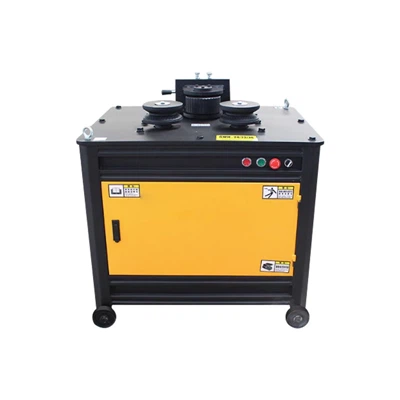
If you’re in the market for a pipe bending machine, don’t just look at the upfront cost. Ask the supplier about their after-sales service: do they have local technicians? Do they keep parts in stock? What’s their response time for repairs? Do they offer training and maintenance plans? A machine might have the best specs on paper, but if the supplier can’t support it after delivery, you’re setting yourself up for trouble. At our company, we’ve built our reputation on being there for our clients long after the machine is installed. We don’t see ourselves as just a pipe bending machine supplier—we’re partners in your business, helping you keep your operations running smoothly.
Metal Sheet Roll Cold Rolling Forming Equipment If you’re ready to learn more about our pipe bending machines and the after-sales support that comes with them, or if you have questions about maintenance, retrofits, or custom tooling, don’t hesitate to reach out. We’re here to help you find the right solution for your needs, and to support you every step of the way, from installation to long-term maintenance.
References:
- Industrial Machinery Maintenance Association. (2022). Best Practices for Industrial Equipment After-Sales Support. Retrieved from industry journals on industrial equipment management.
- Fabricators & Manufacturers Association. (2021). Maintenance Strategies for Metal Forming Equipment. Retrieved from technical papers on metal fabrication operations.
- Hydraulic Machinery Association. (2023). Critical Components of Hydraulic Pipe Bending Machine After-Sales Service. Retrieved from industry reports on heavy equipment support.
Wuxi Yuanding Machinery Manufacturing Co., Ltd.
We’re well-known as one of the leading pipe bending machine manufacturers and suppliers in China, also support customized service. Please feel free to buy advanced pipe bending machine made in China here from our factory. For pricelist, contact us now.
Address: Yaguang Industrial Park, No. 88 Chaoyang South Road, Xishan District, Wuxi City, Jiangsu Province
E-mail: 13861798466@163.com
WebSite: https://www.wxyuanding.com/
