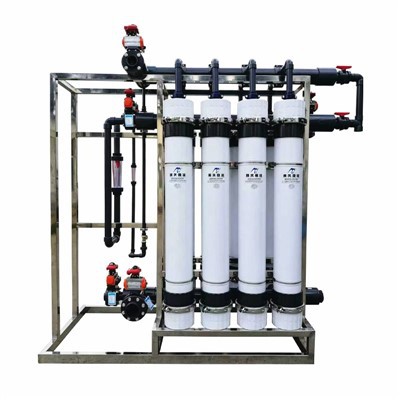
As a supplier of RO purified water equipment, I often receive inquiries from customers about various aspects of water treatment systems. One common question that comes up frequently is whether RO purified water equipment can be connected to a water softener. In this blog post, I’ll delve into the details of this topic, exploring the technical aspects, benefits, and considerations when combining these two types of water treatment devices. RO Purified Water Equipment
Understanding RO Purified Water Equipment and Water Softeners
Before discussing the possibility of connecting RO purified water equipment to a water softener, it’s essential to understand what each device does.
RO (Reverse Osmosis) purified water equipment is designed to remove a wide range of contaminants from water. It works by forcing water through a semi – permeable membrane under pressure. This membrane allows water molecules to pass through while blocking larger molecules such as dissolved salts, heavy metals, bacteria, and viruses. As a result, RO systems can produce high – quality, purified water that is suitable for drinking, cooking, and many industrial applications.
On the other hand, a water softener is mainly used to remove hardness from water. Water hardness is caused by the presence of calcium and magnesium ions. These ions can cause scale buildup in pipes, appliances, and fixtures, reducing their efficiency and lifespan. A water softener typically uses an ion – exchange process, where calcium and magnesium ions are replaced with sodium ions, effectively softening the water.
The Compatibility of RO Purified Water Equipment and Water Softeners
The short answer is yes, RO purified water equipment can be connected to a water softener. In fact, there are several good reasons to do so.
1. Protection of the RO Membrane
One of the primary benefits of connecting a water softener upstream of an RO system is to protect the RO membrane. Hard water can cause scale formation on the RO membrane. Scale is a hard, mineral deposit that can reduce the membrane’s efficiency and lifespan. When water is first softened, the concentration of calcium and magnesium ions is significantly reduced, minimizing the risk of scale buildup on the RO membrane. This means that the RO system can operate more efficiently for a longer period, reducing maintenance costs and the frequency of membrane replacement.
2. Improved RO System Performance
Softened water generally has a lower conductivity compared to hard water. Since the RO system’s performance is affected by the conductivity of the feed water, using softened water can improve the overall performance of the RO system. The RO system can achieve a higher rejection rate of contaminants, producing purer water with less energy consumption.
3. Reduced Fouling
In addition to scale formation, hard water can also contribute to fouling of the RO membrane. Fouling occurs when organic matter, colloids, and other particles in the water adhere to the membrane surface. Softening the water can reduce the presence of these fouling agents, further enhancing the performance and longevity of the RO system.
How to Connect RO Purified Water Equipment to a Water Softener
When connecting RO purified water equipment to a water softener, there are a few key steps to follow:
1. Placement
The water softener should be installed upstream of the RO system. This ensures that the water entering the RO system is already softened, providing the protection and performance benefits mentioned above.
2. Piping
Proper piping is crucial for the connection. Use high – quality pipes that are compatible with both the water softener and the RO system. Make sure the pipes are properly sized to handle the flow rate of the water.
3. Valves and Controls
Install appropriate valves and controls to regulate the flow of water between the water softener and the RO system. This allows for easy maintenance and adjustment of the system.
4. Monitoring
It’s important to monitor the performance of both the water softener and the RO system. Regularly check the water quality, flow rate, and pressure to ensure that both devices are operating effectively.
Considerations When Connecting RO Purified Water Equipment to a Water Softener
While there are many benefits to connecting an RO system to a water softener, there are also some considerations to keep in mind:
1. Sodium Content
Water softeners typically add sodium ions to the water during the ion – exchange process. If you are on a low – sodium diet, the increased sodium content in the softened water may be a concern. However, the RO system can further remove sodium and other contaminants from the water, reducing the sodium levels in the final product.
2. Cost
Installing both a water softener and an RO system can be more expensive than installing just one of the devices. There are the initial purchase costs, as well as the ongoing costs of maintenance, replacement of parts, and regeneration of the water softener. However, the long – term benefits of improved water quality and system performance may outweigh the additional costs.
3. Space Requirements
Both the water softener and the RO system require a certain amount of space for installation. Make sure you have enough space in your facility or home to accommodate both devices.
Conclusion
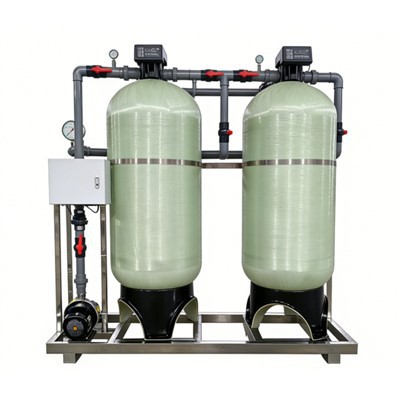
In conclusion, connecting RO purified water equipment to a water softener is a viable and beneficial option. It can protect the RO membrane, improve system performance, and reduce fouling. However, it’s important to consider factors such as sodium content, cost, and space requirements.
RO Purified Water Equipment If you are interested in purchasing RO purified water equipment or have questions about connecting it to a water softener, I encourage you to reach out to me. I have extensive experience in the water treatment industry and can provide you with professional advice and solutions tailored to your specific needs. Whether you are a homeowner looking for better drinking water or an industrial user in need of high – quality process water, I can help you find the right water treatment system.
References
- Water Treatment Handbook, various editions
- Technical manuals of RO purified water equipment and water softeners
- Research papers on water treatment technology and membrane protection
Shandong Yanuo Environmental Protection Equipment Co., Ltd.
We’re well-known as one of the leading ro purified water equipment manufacturers and suppliers in China, featured by quality products and good price. Please rest assured to buy bulk ro purified water equipment made in China here from our factory. Customized orders are welcome.
Address: North Side of the Road, 1,000 Meters West of the Intersection of Fenghuangshan West Road and Provincial Highway S102, Wangfu Subdistrict, Qingzhou City, Weifang City, Shandong Province.
E-mail: ynhb.499973983@gmail.com
WebSite: https://www.zkyaruo.com/
