Can lead – acid alternative batteries be used in hybrid vehicles?
As a provider of lead – acid alternative batteries, I’ve been closely following the development of the hybrid vehicle industry. The question of whether our alternative batteries can be used in hybrid vehicles is not only relevant but also crucial for the future of both our battery business and the automotive industry. Lead-acid Alternative Battery
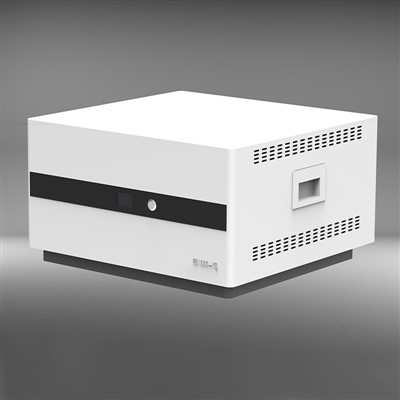
Hybrid vehicles, by their nature, combine an internal combustion engine with an electric motor. This combination requires a battery system that can efficiently store and release energy, support regenerative braking, and provide sufficient power for electric – only driving modes. Traditionally, lead – acid batteries have been used in some automotive applications, but they come with several limitations that make alternative batteries an attractive option.
One of the main limitations of lead – acid batteries is their relatively low energy density. Energy density is a measure of how much energy a battery can store per unit of volume or weight. In hybrid vehicles, where space and weight are at a premium, a low – energy – density battery means that more space and weight are occupied, which can reduce the overall efficiency and performance of the vehicle. For example, a lead – acid battery may require a large physical space to store the same amount of energy as a more modern alternative battery.
In contrast, many lead – acid alternative batteries, such as lithium – ion batteries, offer significantly higher energy densities. Lithium – ion batteries can store more energy in a smaller and lighter package, which is ideal for hybrid vehicles. This allows for more efficient use of space in the vehicle, potentially leading to better fuel economy and improved handling. Additionally, the higher energy density means that lithium – ion batteries can provide more power for the electric motor, enabling longer electric – only driving ranges.
Another important aspect is the cycle life of the battery. Cycle life refers to the number of charge – discharge cycles a battery can undergo before its performance significantly degrades. Lead – acid batteries typically have a relatively short cycle life, especially when compared to some lead – acid alternative batteries. In hybrid vehicles, the battery is constantly being charged and discharged during normal operation, especially during regenerative braking. A battery with a short cycle life will need to be replaced more frequently, which can be costly for the vehicle owner.
Lithium – ion batteries, for instance, generally have a much longer cycle life. They can withstand hundreds or even thousands of charge – discharge cycles without a significant loss of capacity. This means that in a hybrid vehicle, a lithium – ion battery can last for a longer time, reducing the need for frequent replacements and overall maintenance costs.
The charging efficiency is also a critical factor. Lead – acid batteries are known to have relatively low charging efficiencies, especially at high – rate charging. This means that a significant amount of energy can be lost during the charging process, which is not only wasteful but also time – consuming. Hybrid vehicles often rely on quick charging during regenerative braking or when connected to an external power source. Therefore, a battery with high charging efficiency is essential.
Many lead – acid alternative batteries, such as lithium – ion and some advanced nickel – based batteries, offer higher charging efficiencies. They can absorb energy more quickly and with less loss, which is beneficial for the overall performance of the hybrid vehicle. This allows the vehicle to recover more energy during regenerative braking and recharge the battery faster when needed.
However, it’s not all smooth sailing when considering using lead – acid alternative batteries in hybrid vehicles. One of the main challenges is the cost. Currently, lead – acid batteries are relatively inexpensive to produce, making them a cost – effective option for some automotive applications. In contrast, many lead – acid alternative batteries, especially lithium – ion batteries, are more expensive. The high cost of these batteries can be a significant barrier to their widespread adoption in hybrid vehicles, as it can increase the overall cost of the vehicle and make it less competitive in the market.
Another challenge is the safety aspect. While modern lead – acid alternative batteries have made significant improvements in terms of safety, there are still some concerns. For example, lithium – ion batteries can be prone to thermal runaway under certain conditions, which can lead to overheating, fires, or even explosions. This requires the development of sophisticated battery management systems to ensure the safe operation of the batteries in hybrid vehicles.
Despite these challenges, the potential benefits of using lead – acid alternative batteries in hybrid vehicles are substantial. As technology continues to advance, the cost of these batteries is expected to decrease, making them more economically viable. Additionally, ongoing research and development efforts are focused on improving the safety of these batteries, reducing the risk of thermal runaway and other safety issues.
In the automotive industry, there is already a growing trend towards the use of lead – acid alternative batteries in hybrid vehicles. Many automakers are starting to incorporate lithium – ion batteries into their hybrid models, recognizing the advantages they offer in terms of performance, efficiency, and longevity. This trend is likely to continue as the demand for more fuel – efficient and environmentally friendly vehicles increases.

As a provider of lead – acid alternative batteries, we are committed to meeting the needs of the hybrid vehicle industry. Our batteries are designed with high energy density, long cycle life, and high charging efficiency in mind. We also invest heavily in research and development to improve the safety and reduce the cost of our batteries.
Energy Storage Lithium Battery We believe that our lead – acid alternative batteries can play a significant role in the future of hybrid vehicles. Our products offer a feasible solution to the limitations of traditional lead – acid batteries, providing hybrid vehicle manufacturers with a more efficient and reliable battery option. If you’re involved in the hybrid vehicle industry, we invite you to reach out to us for more information on how our lead – acid alternative batteries can be integrated into your vehicles. We are ready to engage in in – depth discussions, technical consultations, and potentially become your trusted battery supplier. Explore the possibilities of our products and how they can enhance the performance and viability of your hybrid vehicle offerings.
References
- Dunn, B., Kamath, H., & Tarascon, J. M. (2011). Electrical Energy Storage for the Grid: A Battery of Choices. Science, 334(6058), 928 – 935.
- Goodenough, J. B., & Kim, Y. (2010). Challenges for Rechargeable Li Batteries. Chemistry of Materials, 22(3), 587 – 603.
- li, X., Sun, X., & Guo, Y. (2018). A Review of Advanced Electrode Materials for Rechargeable Hybrid Lithium Batteries. Advanced Energy Materials, 8(16), 1 – 28.
Shandong Yaoqian Energy Storage International Trade Co., Ltd.
We’re well-known as one of the leading lead-acid alternative battery manufacturers and suppliers in China, featured by quality products and good price. Please rest assured to buy customized lead-acid alternative battery made in China here from our factory.
Address: Lithium Battery Industrial Park, Xingcheng Street, Zaozhuang High-tech Zone, Shandong Province, China
E-mail: boss@yaoqiansmart.com
WebSite: https://www.yaoqiansmart.com/
