If you’ve ever shipped something overseas via sea freight, you know it’s the backbone of global trade—especially for small businesses that need to move bulk goods without blowing their budgets. I’ve been in the sea freight game for over 8 years now, sitting across from so many of your team’s procurement leads, hearing the same mix of relief at lower rates and frustration when something goes sideways. It’s not all smooth sailing, though. Today, I want to cut through the generic “sea freight is cheap” marketing and talk about the real, actionable risks that we (as your sea freight provider) work hard to navigate—because being transparent about this stuff is how we don’t just move your cargo, but build something that works for both of us. Sea Freight

First up, let’s talk about schedule reliability, or more accurately, the total lack of it these days. A few years back, you could set a departure date from Shanghai and a arrival date in Los Angeles, and hit that window 9 times out of 10. Now? 2 out of 10, tops. Why? It’s a mix of a lot of moving pieces, but the biggest one I see is port congestion. I had a client last quarter, a small furniture brand out of Texas, who shipped a container of dining sets to Rotterdam. The schedule said it would dock at 2 weeks, but it sat outside the port for 18 days because the terminal was backlogged with post-Christmas imports. They were supposed to get those sets to a boutique pop-up shop that relied on the exact arrival date, and they lost $12k in pre-sales because of it. Port congestion isn’t just a “big port” problem either—even mid-sized terminals in places like Savannah or Singapore get swamped when there’s a spike in cargo volume. And here’s the kicker: it’s not just the port itself. Sometimes it’s customs delays too, especially if your cargo has any special paperwork—like if you’re shipping electronics with specific certifications, or perishables that need extra inspection. One wrong form, and your container could be stuck for an extra week, no fault of the carrier or even you, just red tape that moves at its own pace. As your provider, we do our best to flag potential bottlenecks early, but even we can’t control how fast a port unloads 10,000 containers in a single day. The key here is to plan for buffer time—we usually recommend adding 7-10 extra days to your projected delivery, especially during peak seasons like Q4 or back-to-school, to avoid being caught flat-footed.
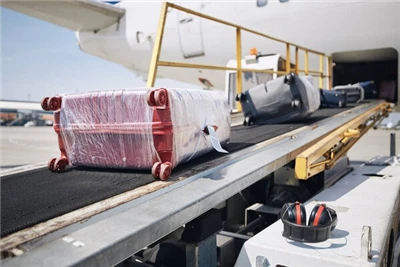
Next, cargo damage and loss—this is the one that keeps me up at night. Sea freight means your stuff is moving for weeks at a time, stacked onto other containers, bouncing around in rough seas, or even being handled multiple times by different teams. I had another client, a skincare brand that ships glass bottles of serum, whose entire container’s worth of inventory was ruined last year because of a thunderstorm in the North Atlantic. The container wasn’t properly sealed, so seawater got in, and by the time it reached the port in Miami, every bottle was corroded. The carrier covered some of it, but only 80%, and the client was left with a $5k bill for uninspected cargo that the insurance didn’t cover. Then there’s the risk of theft—yes, even sealed containers. I know it sounds crazy, but there are instances where a container’s lock is compromised mid-voyage, or someone swaps a seal at a port, and valuable stuff like electronics or luxury goods go missing. It’s not a daily occurrence, but it’s common enough that we advise all our clients to get proper cargo insurance, not just the basic coverage carriers offer, which is super limited. For example, basic carrier coverage is often only $500 per cubic meter, which is nothing if you’re shipping high-value goods. As your provider, we can help you shop around for better insurance, and we also use GPS trackers on every high-value container we handle, so you can check in on where your cargo is 24/7. We also do pre-loading inspections to make sure the container is dry, the seal is intact, and your goods are packed correctly—no stacking heavy boxes on top of fragile ones, that kind of thing. But here’s the honest truth: even with all those steps, stuff can still go wrong. That’s why communication is key. If something happens to your cargo, we’re the ones dealing with the carrier, filing claims, keeping you updated every step of the way—you don’t have to chase down 5 different parties to get answers.
Then there’s the financial risk of fluctuating freight rates. If you’ve been around the block in procurement, you know sea freight rates aren’t fixed. A few years ago, during the post-pandemic chaos, rates from Asia to the US west coast hit $20,000 per container—up from the usual $2,000. Last year, they dropped back down to $3,000, and now they’re creeping back up. These swings aren’t random. They’re tied to things like bunker fuel prices (fuel is one of the biggest costs for carriers, so when oil goes up, rates go up too), global trade volumes, and even geopolitical events. Like, when the Suez Canal was blocked in 2021, rates skyrocketed for months because carriers had to take longer routes around Africa. Another example: when tensions rose in the Red Sea last year, a lot of carriers rerouted their ships, adding weeks to transit times and pushing rates up for anyone shipping to Europe. The problem for small businesses is that these rate changes can come out of nowhere, and if you book a shipment at a fixed rate too early, or too late, you could end up paying way more than you budgeted. As your sea freight provider, we try to mitigate this by offering flexible booking options, like locked-in rates for 30 or 60 days, so you can plan your budget without the risk of last-minute hikes. We also give our clients weekly updates on rate trends, so if we see a spike coming, we can advise you to book sooner rather than later, or adjust your shipment timeline to save money.
Wait, can’t forget about regulatory and compliance risks. This is a big one that a lot of new shippers overlook. Different countries have different rules about what you can bring in, how it needs to be labeled, and what paperwork is required. For example, if you’re shipping wood packaging (like pallets) to the EU, it has to be IPPC-certified—no exceptions. If you don’t have that, the goods will be held at the port, and you’ll have to pay to treat the pallets at a local facility, which adds time and money. Or, if you’re shipping food to Australia, there are super strict inspection rules to prevent pests and diseases, and even a tiny mistake on your import declaration can get your entire shipment rejected, sent back, or destroyed. Then there’s environmental regulations—carriers have to follow strict rules about emissions now, like the IMO’s EEXI regulations, which limit how much fuel big ships can use. That sounds like a carrier problem, but it translates to higher rates for us, and ultimately for you, because carriers have to invest in new equipment to meet those rules. And if a carrier doesn’t comply with these regulations, they can be fined, which might lead to delays or even canceled shipments. As your provider, our job is to stay on top of all these rules—we have a team of compliance specialists who check every single shipment before it’s sent, make sure all paperwork is correct, and flag any potential issues before they become big problems. For example, we’ll remind you to get that IPPC certification for your pallets, or help you fill out the customs forms correctly so your goods clear inspection fast. We’ve had clients come to us with a shipment that was already stuck at a port because of bad paperwork, and we were able to fix it, but it’s way better to get it right the first time.
Oh, and let’s talk about labor disputes—they’re more common than you think. Port workers, truck drivers, even warehouse staff go on strike sometimes, and when they do, it brings the whole supply chain to a halt. I had a client a couple of years ago who shipped a container of winter coats to the US east coast, right before a strike at the Port of New York and New Jersey. The strike lasted 10 days, and their coats arrived 2 weeks later than expected, just in time for the end of winter, so they missed their entire sales window. Carriers can’t really control strikes—they’re up to the port unions and the governments involved—but as your provider, we monitor labor negotiations closely. If we see a strike looming, we’ll advise you to reroute your shipment to a different port, or adjust the timeline to avoid the peak of the dispute. Sometimes that means a slightly longer transit, but it beats losing a whole season of sales.
Now, here’s the thing: none of these risks mean sea freight isn’t a great option for your business. It’s still the most cost-effective way to move large, heavy cargo across long distances, way cheaper than air freight. But the key is being aware of these risks, and partnering with a sea freight provider who has the experience to handle them. We’ve been in this long enough to know how to navigate port congestion, file claims for damaged cargo, lock in rates before they spike, and keep up with all the compliance rules. We don’t just see ourselves as a company that moves your containers from Point A to Point B—we’re the people who help you avoid the headaches that come with it.
If you’re tired of dealing with unreliable carriers, getting stuck with surprise costs, or not knowing where your cargo is, we’d love to chat. We can sit down (virtual or in person, whatever works for you) and walk through your specific needs—how often you ship, what kind of goods you’re moving, your budget, and any timelines you have to hit. We’ll be transparent about the risks involved, and give you a clear plan for how we’ll mitigate them, so you can focus on running your business, not stressing about your cargo.
Air Freight References
- International Maritime Organization (IMO). (2023). Third Annual Report on IMO Strategy on Reduction of GHG Emissions from Ships.
- Federal Maritime Commission (FMC). (2024). Port Congestion and Supply Chain Disruptions: 2024 Update.
- World Cargo News. (2023). Global Sea Freight Rate Volatility: Drivers and Impacts on Small Businesses.
- United Nations Conference on Trade and Development (UNCTAD). (2022). Review of Maritime Transport.
- American Association of Customs Brokers and Forwarders (AACBF). (2023). Compliance Risks in International Sea Freight.
Shenzhen Yihua Shang Supply Chain Service Management Co., Ltd.
As an experienced international logistics company in China, we are committed to providing high quality sea freight service with low price. We warmly welcome you to contact us for more information about the cheap rate sea freight service. Also, quotation is available.
Address: 209, Building 61, Third Industrial Zone, Zhongkeng Street, Bantian Street, Longgang District, Shenzhen
E-mail: 3809486307@qq.com
WebSite: https://www.yhs555.com/
