If you’ve ever spent a weekend hauling bags of potting soil, a stack of terracotta pots, or a bag of fertilizer across uneven garden soil, you’ve probably cursed the flimsy plastic cart that collapsed mid-load, its wheels caked in mud and its frame cracking under the weight. As a garden cart supplier, I get asked this question at least a dozen times a week: Are plastic garden carts durable enough to actually use? It’s a fair question—especially when you’re choosing between a cheap $50 model from a big-box store and a $200 cart that feels like it could withstand a backyard construction project. The answer isn’t a simple yes or no, so let’s break down what makes a plastic garden cart last, where it falls short, and how my team designs our carts to stand up to real garden work. Garden Carts
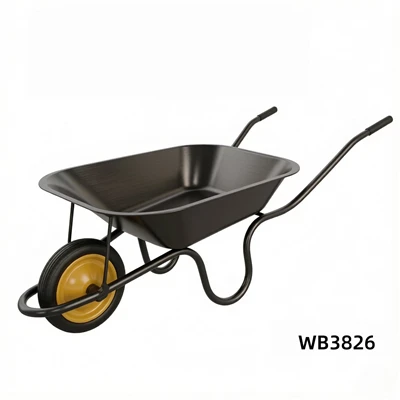
First, let’s get one thing straight: not all plastic is created equal. You’ve got two main types of plastic used for garden carts these days, and each has very different durability profiles. The most common is low-density polyethylene (LDPE), which is what you’ll find in those budget carts that warp if you leave them out in the sun for a month. LDPE is flexible, cheap, and easy to mold, but it breaks down when exposed to ultraviolet (UV) light from the sun, becomes brittle in cold weather, and can crack if you drop a heavy object on it or overload the cart beyond its rated capacity. The other type is high-density polyethylene (HDPE), the workhorse plastic used for everything from milk jugs to plastic lumber. HDPE is stiffer, more resistant to UV damage, and far less likely to crack than LDPE—but it’s also more expensive, so budget brands skip it to keep their prices low.
I learned the difference between these two plastics the hard way early in my career. Back when I first started sourcing carts for our small supplier business, I tried to cut costs by going with a batch of LDPE carts from a manufacturer overseas. We sold them at our local nursery and garden show, and within two months, dozens of customers came back with complaints: the tubs were warped, the wheels were cracking, and one guy even told us his cart split down the middle when he tried to haul 200 pounds of compost. It was a costly mistake, but it taught me a lesson that stuck: durability in plastic garden carts starts with the material, not the price tag. HDPE isn’t perfect, but it’s the only plastic that can handle the daily wear and tear of a real garden.
Now, let’s talk about what factors actually make a plastic garden cart durable, beyond just the type of plastic. One big one is wall thickness. A thin plastic tub is going to flex and warp way more than a thick one, especially when loaded. Our top-tier carts have HDPE tub walls that are a full ¼ inch thick, whereas the budget LDPE carts we sold a few years ago were barely ⅛ inch thick. That extra thickness adds a little weight to the cart, but it also means it can hold heavy loads without bending, and it won’t crack when you bump it against a rock or a garden bed edge.
Then there’s the wheel assembly, which is often the first part of a plastic cart to fail. Cheap carts come with thin plastic wheels that have flimsy axles and no bearings—they’ll get stuck in mud, wobble after a few uses, and crack if you hit a curb. Our carts use rubber wheels with reinforced plastic hubs and sealed ball bearings. The rubber isn’t just for traction; it’s also more resistant to cracking from cold weather, so you can leave your cart outdoors all winter in a zone where temperatures drop below freezing without worrying about the wheels splitting. The sealed bearings mean you don’t have to grease them every year—just hose them off after a muddy day, and they keep rolling. We also test our wheels by pulling 300 pounds of load over rough, grassy terrain for 1000 cycles, and we only move a cart to production if 95% of the test units pass. That kind of testing is unheard of for budget brands, which don’t want to spend extra time or money on quality control.
Don’t get me wrong—plastic garden carts do have limits, and it’s important to be honest about that. They’re not going to outlast a heavy-duty steel cart, and if you’re regularly hauling 500 pounds of rock or concrete, a steel cart will be a better long-term investment. But for most gardeners, what do you really need to haul? Compost, soil, mulch, pots, garden tools, maybe a small bag of grass clippings. For those loads, a well-made HDPE plastic cart is not only durable—it’s actually better than steel in some ways. Steel carts rust, especially if you leave them out in the rain and mud. They scratch easily, and those scratches can hold onto dirt and moisture, leading to rust that weakens the frame over time. Plastic carts don’t rust. They wipe clean easily, and they don’t corrode even if you leave a bag of damp compost sitting in them for a week. That’s a huge win for anyone who doesn’t have a place to store their cart in a garage or shed over the winter.
Another myth I hear all the time is that plastic carts degrade quickly in sunlight. Yeah, if you take a cheap LDPE cart and leave it out in direct sun all summer, it will fade and get brittle. But UV-stabilized HDPE is made to resist that. We add UV inhibitors to our plastic resin during the manufacturing process, so our carts won’t crack or turn to chalk after years of being left outdoors. I’ve got a cart I’ve had for seven years in my own backyard, pulling double duty for gardening and hauling firewood in the off-season. It’s got a few scratch marks from bumping into fence posts, and the blue color has faded a little, but the tub hasn’t cracked, the wheels still roll smooth, and I’ve hauled more than 1000 pounds of material with it. That’s durability, right there.
Of course, durability isn’t just about the materials and parts—it’s also about how the cart is designed. A lot of budget plastic carts have a flimsy frame made of thin steel or even plastic that attaches to the tub with weak clips. If you overload the cart, the clips break, and the tub comes loose. Our carts use a reinforced steel frame coated in a powder finish to resist rust, and the tub is bolted to the frame with heavy-duty galvanized bolts, not plastic clips. That small design change makes a huge difference. We also add a lip along the top edge of the tub to prevent things from falling out when you’re hauling them over uneven ground, and we make the handle wide and ergonomic so you don’t have to struggle to pull a heavy load. A cart that’s hard to maneuver is going to get damaged more often because you’re forcing it over obstacles or dropping it when it tips.
I know a lot of gardeners are hesitant to invest in a more expensive plastic cart, especially when you can pick up a cheap one for $40 at the hardware store. But let’s do the math: that $40 cart will last maybe a year or two, if you’re lucky. The $200 HDPE cart will last 10 years or more. That’s a no-brainer, right? And it’s not just about longevity—our customers tell us they love not having to deal with rust, cleaning the cart, or replacing broken parts every spring. Last year, a customer in Ohio told us she’d gone through three budget plastic carts in three years, and after buying one of ours, she’s had it for four years without a single problem. That’s the feedback that makes all the hard work in designing and testing these carts worth it.
That said, there are a few things you can do to make your plastic garden cart even more durable, no matter what brand you buy. First, don’t overload it. Every reputable cart brand will have a weight rating—stick to it. I see too many people overloading their carts with more than the rated capacity, and that’s the number one cause of cracked tubs and broken wheels. Second, if you can, store it in a shed or garage during the off-season. Even UV-stabilized plastic will last longer if it’s not sitting out in the sun and rain all winter, especially in areas with extreme temperature swings. Third, clean it regularly. Hosing off mud and dirt after each use prevents buildup from weighing the cart down and can catch small cracks or damage before they get worse. Fourth, avoid dragging your cart over sharp rocks or concrete. That’s a surefire way to scratch the plastic and possibly puncture the tub.
I also get asked if there’s a difference between plastic carts for home gardeners vs. commercial use. The answer is yes—commercial carts are built even more heavy-duty, with thicker HDPE, reinforced frames, and wheels designed for constant use in nurseries or landscaping businesses. Our commercial line of garden carts is tested to hold up to 500 pounds of load, and we offer a longer warranty for commercial customers, because we know they rely on their carts day in and day out. For a commercial landscaper, a durable plastic cart saves them money on replacements and downtime, which is just as important as it is for a home gardener.
Now, I want to be honest about the limitations of plastic garden carts. They’re not indestructible. If you drive over them with a lawnmower, they’ll break. If you leave them out in a hot garage for years where temperatures regularly exceed 100 degrees, the plastic can get soft and warp. If you intentionally drop a 100-pound cinder block on the tub, it will crack. But for the purpose they’re designed for—hauling garden materials around your yard or garden—they are surprisingly durable when made with the right materials and construction.
At the end of the day, the question of whether plastic garden carts are durable comes down to what you’re comparing them to and what you need them for. A cheap LDPE cart from a big-box store? No, it’s not durable. A well-made HDPE cart with reinforced wheels and frame? Absolutely—it’s one of the most reliable tools in your garden shed, and it will save you time, money, and frustration for years.
If you’re in the market for a garden cart that’s built to last, and you want to talk about how our designs can fit your needs—whether you’re a home gardener looking for a cart for your raised beds, or a landscaper needing a heavy-duty model for daily use—we’re here to help. We work with customers across the country to find the right cart for their garden size, load needs, and budget, and we stand behind every product we make. Don’t waste money on flimsy carts that will fall apart after a few uses. Invest in a durable plastic garden cart that will get the job done right, year after year. Contact our team to discuss your requirements and learn more about our product line.
Child Wagon References
ASTM International. (2020). Standard Specification for High-Density Polyethylene (HDPE) Plastic for Containers and General Purposes. ASTM D4502-20.
University of California Agriculture and Natural Resources. (2018). Garden Tools and Equipment: Maintenance and Selection for Home Gardeners. Publication 8287.
National Gardening Association. (2021). Durability of Garden Hand Tools and Equipment: A Consumer Guide.
Qingdao Herzhe Tools Manufacturing Co., Ltd.
Qingdao Herzhe Tools Manufacturing Co., Ltd. is one of the most professional garden carts manufacturers and suppliers in China. We have world-leading production equipment and strong manufacturing capabilities. Please feel free to buy advanced garden carts at competitive price from our factory.
Address: No. 406 Shuangfushan Road, Baoshan Town, Qingdao CHINA
E-mail: herzhetool@163.com
WebSite: https://www.herzhetoolsmfg.com/
