If you’ve ever stood next to a commercial pizza oven mid-shift, or cranked a home unit to 800°F for that perfect char on a margherita, you’ve probably caught yourself asking: how loud is this thing, anyway? As someone who’s spent the last decade working as a pizza oven supplier—talking to pizzeria owners, backyard pizza enthusiasts, and everyone in between—I get this question all the time. It’s not just a random curiosity, either. For a small cafe squeezing three ovens into a tight kitchen, noise levels affect staff morale and neighbor complaints. For a backyard homeowner, it’s a factor if you’ve got kids napping or a patio adjacent to your apartment building. Most people think pizza ovens are just loud grills, but the science of their noise is a little more specific, and it varies way more than you’d expect. Pizza Oven
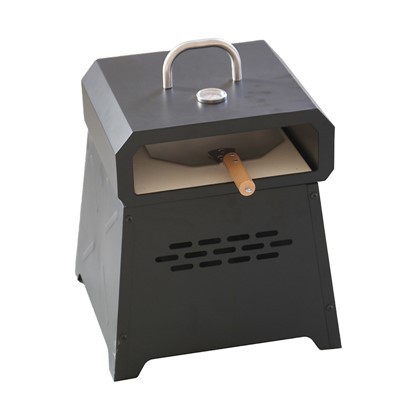
First, let’s break down what causes a pizza oven to make noise, because that’s the foundation of figuring out its actual volume. There are two main sources of noise here: mechanical and combustion. Mechanical noise comes from moving parts, most commonly convection fans (found in many commercial and some high-end home wood-fired ovens) that circulate hot air to keep temperatures even. These fans can be small, quiet brushless motors for home models, or larger, higher-power units for commercial ovens that handle hundreds of pies an hour. Combustion noise, on the other hand, is the roar of the fuel source as it burns. For gas ovens, that’s the hum and rumble of gas jets mixing with air to fire the chamber. For wood-fired units, it’s the crackle of wood, the rush of air through the firebox, and sometimes the roar of the chimney draft pulling smoke out of the oven. Some ovens also have auxiliary parts: gas regulators, blowers, or exhaust fans that add a small but noticeable layer of noise.
Now, how do we actually measure noise? The unit we use is the decibel (dB), a logarithmic scale that measures sound pressure. The thing that trips most people up is that a 10 dB increase isn’t just a 10% louder sound—it’s double the perceived volume. So a 70 dB oven sounds twice as loud as a 60 dB unit, and a 80 dB oven is four times as loud as a 60 dB one. To put that in perspective for context: a normal conversation is around 60 dB, a vacuum cleaner is about 70 dB, a busy city street is 80 dB, and a lawnmower is around 90 dB. That’s the frame of reference we use when talking about oven noise.
Let’s start with home pizza ovens, because that’s the segment I see more questions about than any other. The smallest, most portable wood-fired pizza ovens—think the countertop or tabletop models you’d take to a tailgate, like the ones that sit on a patio table, not the ground—clock in at around 60 to 70 dB when they’re fully fired up. That’s roughly as loud as a conversation in a busy office, or a small TV playing in the next room. You can hold a normal conversation a foot or two away from these ovens without raising your voice, which makes sense for casual backyard use. The next step up is mid-range home ovens, often built with thicker insulation for better heat retention. These still run on wood or gas, but they have larger fireboxes and stronger drafts to maintain 800°F+ temperatures. Their noise level is a little higher, sitting around 70 to 75 dB. Now we’re approaching the volume of a vacuum cleaner, so you’d have to speak a little more clearly if you’re standing right next to it, but it’s still not disruptive for most backyards. The loudest home ovens are the commercial-grade ones designed for large backyard gatherings, or homeowners who run a small side business selling pizza at local events. These often have convection fans and high-output gas burners, and their noise can hit 75 to 80 dB. That’s on par with a busy city street, so if you’re sitting right next to one, you’ll probably want to raise your voice a little, and it might carry enough that a neighbor standing on their patio would notice.
Now commercial ovens, which is the part of our business at [supplier, removed] that I know best. Commercial pizza ovens aren’t one-size-fits-all, and their noise levels vary a lot based on fuel type, size, and whether they’re convection or deck ovens. Let’s start with gas-fired commercial ovens, which are the most common in quick-service pizzerias and family restaurants. Small countertop commercial gas ovens, designed for a busy cafe or food truck, run at around 75 to 80 dB. They’re compact, so their burners and fans aren’t over-sized, and they’re usually vented directly to the outside to reduce noise inside the kitchen. Larger commercial gas ovens, like double-stack deck ovens that can cook 10 pies at once, are a little louder, hitting 80 to 85 dB. That’s the volume of a lawnmower running 50 feet away, or a loud restaurant kitchen mid-rush. You’d be able to talk to a coworker across the oven, but you might not hear someone calling your name from the other side of the prep area.
Wood-fired commercial ovens are a whole different animal, mostly because their noise comes from the roaring fire and chimney draft rather than mechanical fans. Small wood-fired commercial ovens, often used in pizzerias that specialize in authentic Neapolitan pizza (which cooks in 90 seconds, so they need consistent high heat), run at around 80 to 85 dB—similar to the larger gas commercial models. But the larger, older-style wood-fired ovens you might see in a historic pizzeria, with big brick fireboxes and tall chimneys, can hit 85 to 90 dB. That’s as loud as a motorcycle driving past at 20 feet, or a chainsaw idling. These ovens are usually installed in dedicated kitchen spaces with good insulation and exhaust systems, so the noise is contained inside the kitchen, and often mitigated by the general bustle of a busy restaurant. Some pizzeria owners actually prefer the low roar of a wood-fired oven, saying it feels like part of the atmosphere, not a nuisance. But for spaces where noise is a concern—like a retail pizzeria with a front dining area close to the kitchen—we often recommend gas or electric commercial ovens, since they run quieter.
Wait, what about electric pizza ovens? I almost forgot that segment, because a lot of people don’t realize there are high-performance electric units for commercial use these days. Electric ovens have no combustion noise—they heat up using heating elements, so their only noise is from small convection fans to circulate air. For home electric ovens, they’re super quiet, running at 50 to 60 dB, almost like a quiet computer fan. Commercial electric ovens are a little louder, because they have larger fans to handle higher volumes of pies, but they still only hit 65 to 75 dB. That’s way quieter than gas or wood-fired models, which is why they’re popular in places like university food courts or office cafeterias, where noise needs to be kept low for customers.
Now, here’s the part that most oven manufacturers won’t tell you, based on my years of talking to clients: noise levels aren’t just about the oven itself. Installation and usage matter a lot. Take a home wood-fired oven, for example. If you build it with a thin, uninsulated brick shell, the noise from the fire will bounce off the ground and carry 50 feet or more. But if you insulate the oven properly, and place it on a solid concrete pad instead of loose gravel, you can cut down on noise by 5 to 10 dB—half the perceived volume. For commercial ovens, installing sound-dampening exhaust vents, placing the oven on rubber mounts to reduce vibration transfer to the floor, and running ductwork that’s insulated can cut noise levels by another 10 dB or more. I had a client last year who owned a small pizzeria in a downtown building, next to a coffee shop that complained about noise from their new double-stack gas oven. We suggested adding insulated ducting and rubber floor mounts, and that cut their noise from 82 dB to 73 dB—just a little louder than normal conversation. The coffee shop never had another issue.
Another thing to note is that noise levels aren’t static. Ovens get louder as they heat up, right? When you first turn a pizza oven on, the burners are cranked to maximum to reach 800°F, so it’s a little louder than when it’s at full operating temperature. Convection fans also speed up a bit when the oven is first heating, which adds to the noise. And if you’re cooking a lot of pies in a short time, the oven will cycle the burners on and off more frequently, which means you’ll hear that low roar more often. That’s an important detail for anyone shopping around: the quietest reading you’ll get from a manufacturer is usually taken at idle, not when the oven is running at full capacity and cooking.
I get why this isn’t the first thing people ask when they’re looking for a pizza oven. Most people care about temperature, cooking time, capacity, and price. But noise is a hidden factor that can make or break your experience, whether you’re using it at home or for your business. For a family running a home bakery out of their garage, a loud oven might be a problem if their kids do homework next door. For a pizzeria in a residential neighborhood, a wood-fired oven that’s 90 dB can lead to noise complaints from neighbors, which is the last thing you want when you’re just starting out. For food trucks, which operate on busy city streets or parking lots near apartments, quieter ovens mean you don’t get flagged by code enforcement for excessive noise.
At [supplier, removed], we make it a point to talk about noise levels with every client, not just specs like BTU or maximum temperature. We’ve had home pizza enthusiasts come in thinking their portable tabletop oven is quiet enough for a patio party, only to realize it’s loud enough to upset a neighbor’s sleeping baby. We’ve also had pizzeria owners come to us after dealing with a noisy oven that drove away staff, since working in a kitchen with 85 dB noise for 12 hours a day can lead to hearing damage over time. OSHA actually has guidelines for workplace noise: 85 dB is the threshold for requiring hearing protection, so any commercial oven over that level means you need to provide earplugs for your staff, which is an extra cost and an inconvenience.
If you’re in the market for a pizza oven, here’s a quick guide to noise levels to keep in mind:
- Tabletop home wood-fired ovens: 60–70 dB (quiet enough for casual backyard use, but can carry a distance)
- Mid-range home wood or gas ovens: 70–75 dB (good for small gatherings, may be noticeable if near bedrooms or patios)
- Commercial countertop gas ovens: 75–80 dB (ideal for food trucks or small cafes, manageable with basic ventilation)
- Full-sized commercial gas or wood-fired deck ovens: 80–90 dB (best for kitchens with sound insulation, may cause neighbor or staff noise concerns)
- Commercial and home electric ovens: 50–75 dB (the quietest option, perfect for spaces where noise is a priority)

I know when people look for a pizza oven supplier, they’re usually focused on getting something that cooks great pizza, is durable, and fits their space. But noise is a detail that’s easy to overlook, and it’s one that will affect your experience every time you use the oven. If you’re not sure what’s right for your needs, or you want to learn more about how we can help you find an oven that fits your noise requirements, don’t hesitate to reach out for a sourcing and customization consultation. We work with everyone from first-time backyard pizza enthusiasts to multi-location restaurant chains, and we’re happy to walk you through every spec, including noise levels, to make sure you get the right oven for your space and needs.
Electric Outdoor Heater References:
- Occupational Safety and Health Administration (OSHA). “Noise Exposure: Permissible Exposure Limits (PELs).” U.S. Department of Labor, 2024.
- American National Standards Institute (ANSI). “Acoustics – Determination of sound power levels and sound energy levels of noise sources using sound pressure – Engineering methods for small movable sources in reverberant fields.” ANSI S12.35-2019.
- International Code Council (ICC). “Noise Control in Buildings.” ICC Sound and Vibration Design Guide, 2022.
- Pizza Today Magazine. “Kitchen Noise: The Overlooked Cost of Commercial Ovens.” Pizza Today, vol. 42, no. 8, August 2023, pp. 34–37.
Huzhou Blue Carp Co., Ltd.
With abundant experience, we are one of the most professional pizza oven manufacturers in China. Please rest assured to wholesale cheap pizza oven for sale here from our factory. If you have any enquiry about custom service, please feel free to email us.
Address: Longxi Subdistrict, Huzhou South Taihu New Area, Huzhou City, Zhejiang Province, China
E-mail: tonycheung@bluecarpbbq.com
WebSite: https://www.bluecarpbbq.com/
